
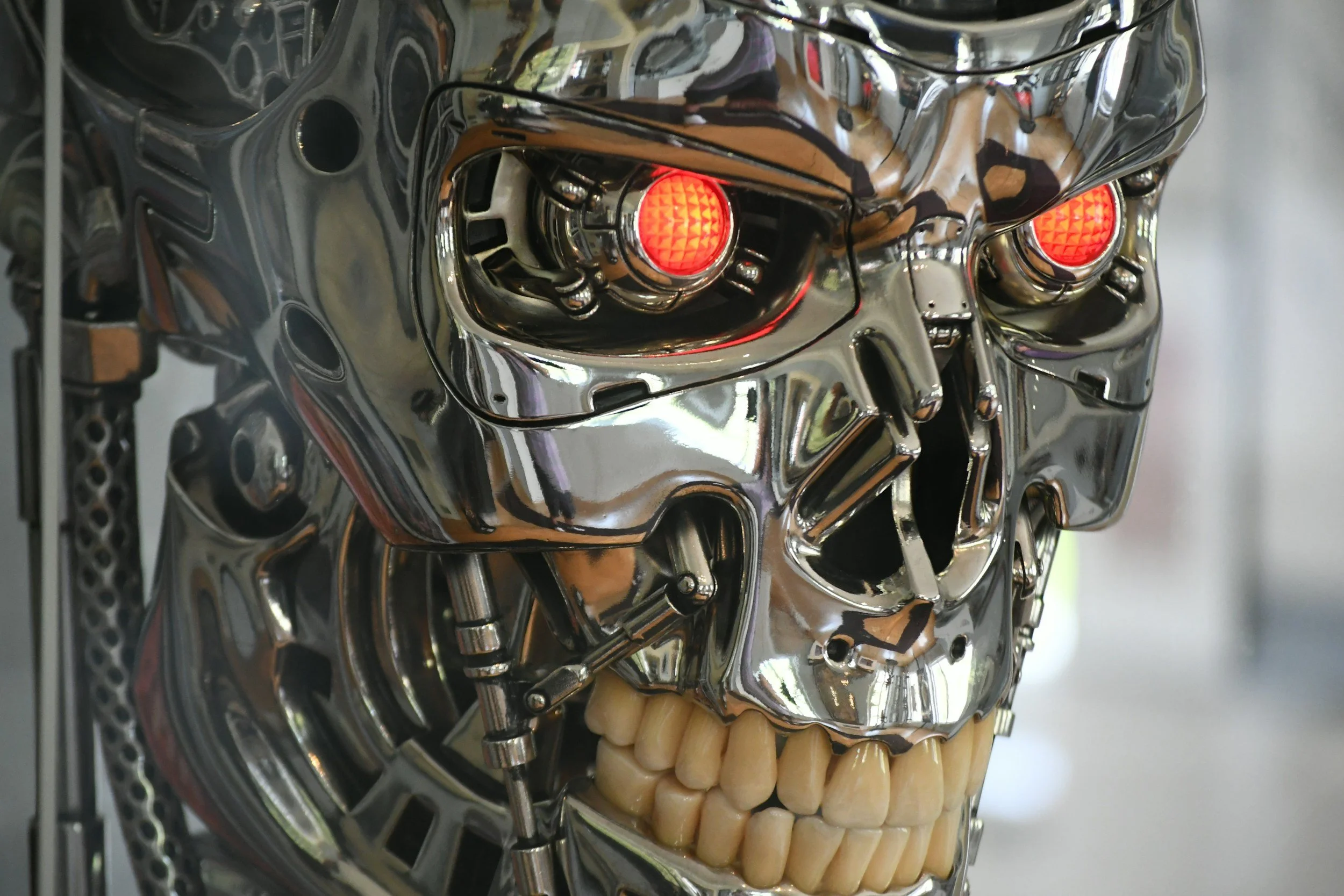
AI Won't Kill Us All. Only We Can Do That.
Last week's headlines warned that AI could kill us all. The same week, Dan Scott was asked what AI will do to musicians. Both questions are phrased like a weather forecast, as though we were bystanders to something arriving on its own schedule. But AI is no more inevitable than the economy or any other institution we invented. The role it plays is the role we give it.
Legacy Was Never About Being Remembered
We talk about legacy like it's a monument — a company, a catalog, a building with your name on it. But every artifact has an expiration date. Your why doesn't. It's the only part of you another person can pick up and carry forward. Here's why purpose isn't the reward at the end of the build.

Two Money Mistakes. One Bad Assumption.
Two mistakes end more creative careers than any shortage of talent: living on money you haven't earned because you believe the break is coming, and inflating your lifestyle the second it arrives. They look like opposites. They're the same mistake — treating a possibility as a promise. Here's what to do with a win instead.

Stop Listening to the Entertainment Industry
Nearly every piece of advice an artist gets comes from the entertainment industry — people who are excellent at what they do. But what they do isn't making art; it's making money from art. A business can only optimize for more. Artists need enough. This piece is about that gap, why the industry isn't planning for your long-term career, and the second kind of counsel every artist needs.
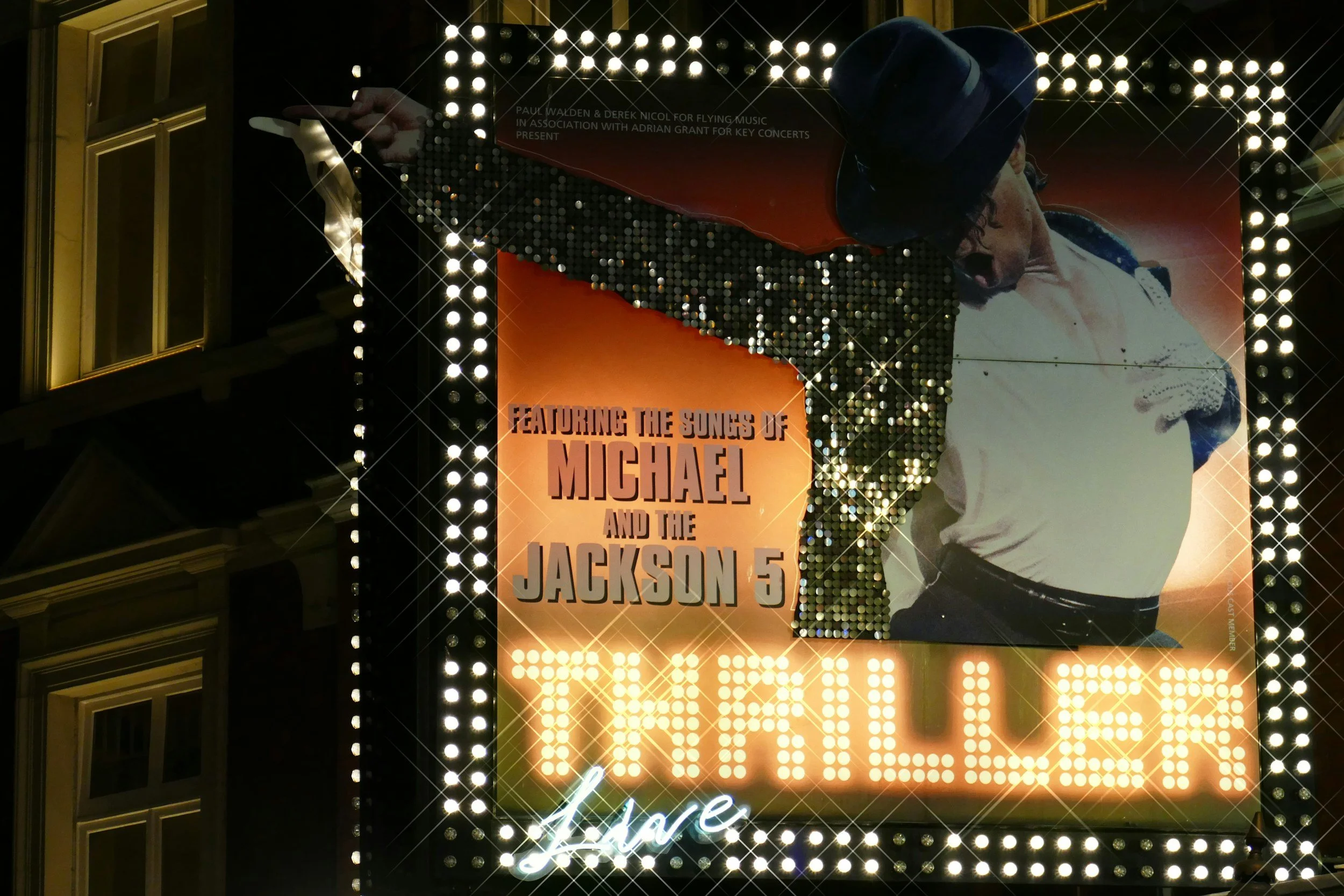
The Art of Your Public Persona, and Why You Should Embrace It
Every performer knows that who they are on stage isn't who they are at home. Nobody calls that fake — they call it a show. Then the show ends, you pick up your phone, and the person posting is the one who was eating cereal over the sink that morning. Same audience. Different person. That gap is a choice most artists never realized they were making.
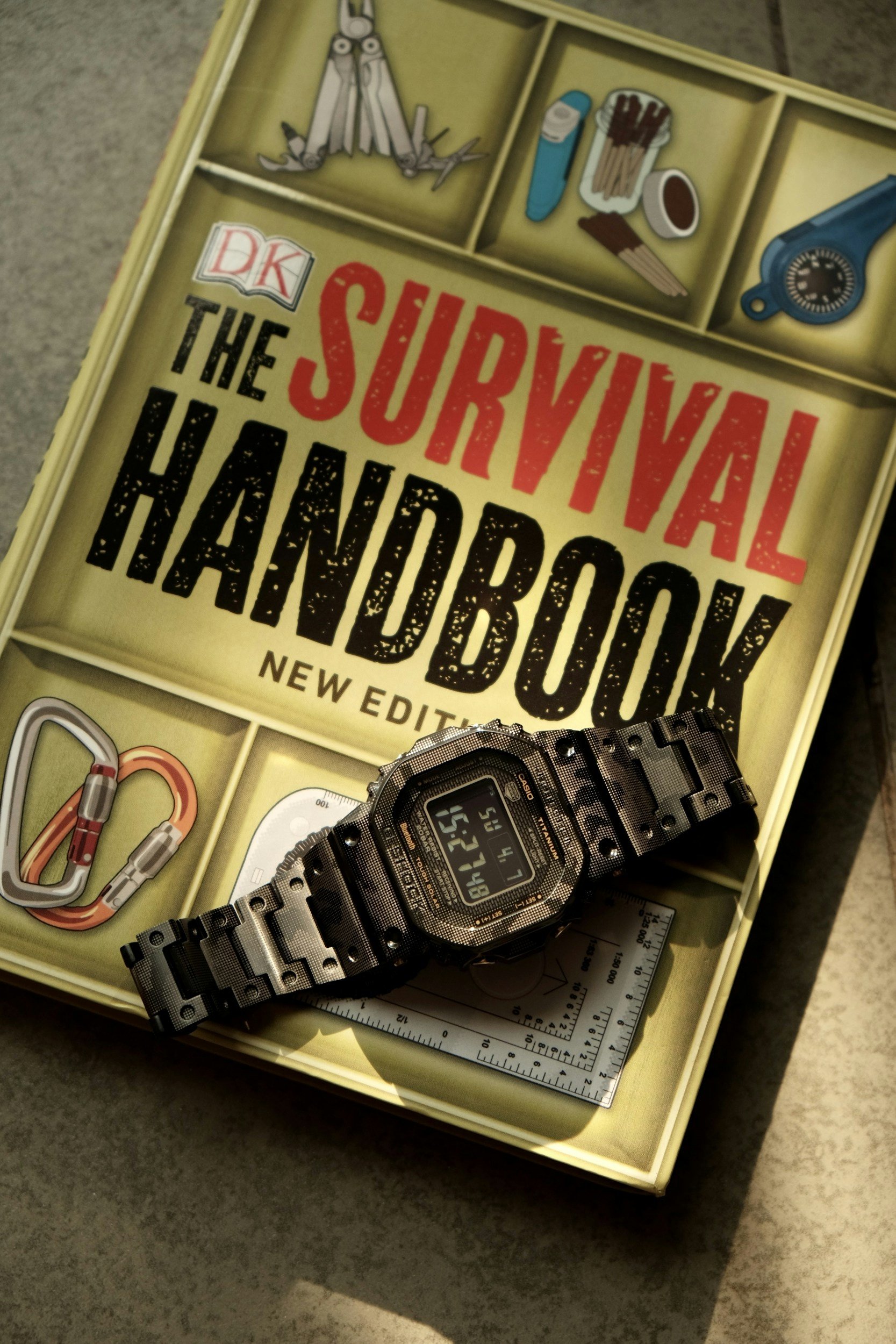
Survival Isn’t Hard. Keeping Up Is.
Most artists today are just trying to survive.” Sorry, I call bullshit. Surviving is not that hard — humans have been doing it for two hundred thousand years. What’s hard is trying to hit society’s standard of success as an independent artist, early in your career, at the exact moment your income is lowest and least predictable. This piece names the real mistake behind the starving-artist story — confusing lifestyle cost with survival cost — and makes the case that the survival lifestyle isn’t the failure state of a creative career. It’s the construction phase.

You Don’t Control Outcomes — So Stop Measuring Your Success by Them
We're trained to measure success by outcomes — but outcomes are the one thing no human being controls, and anyone guaranteeing you results is selling snake oil. This piece offers a different scoreboard: you're successful when you fall asleep knowing you did everything you could that day toward your purpose, and wake up excited for tomorrow. The twist? That measure isn't just the path to peace — it's the mechanism that builds your most authentic, valuable service to the world, which is the only thing markets have ever paid for sustainably.

Knowing When to Say No: Not Every Opportunity Is Yours
"Never say no to an opportunity" is the worst advice a creative can follow. Every opportunity is a chance to serve a purpose — but is it your purpose? This piece breaks down why capable people are the most at risk of drifting, why every yes is a quiet no, and how knowing your purpose is what makes saying no possible.

You Are Creative. Yes, You: Why Finding Your Creativity Is the Key to Living Your Purpose
"I'm not a creative person" may be the most limiting lie you can believe about yourself. Creativity was never reserved for artists — it's the expression of your individuality, the unique perspective and value only you carry. And without it, you can't live your purpose. Here's why, and how to find yours.

What If You Already Made It?
Artists spend their lives waiting for the day everything changes — and go broke building for a future that may never arrive. The truth: for most creatives, the freedom to make art is a lower bar than it looks. It isn’t about more money. It’s about enough — and many have already made it without realizing it.

I Don't Care What a Machine Has to Say About Being Human
Ninety-seven percent of listeners can’t tell AI-generated music from the real thing in a blind test. That’s the wrong test entirely. The machine has read every love letter ever written and has never once been in love — it can recite the symptoms of emotion with no cause underneath. This piece draws the line between art and entertainment, takes the “you can’t tell the difference” argument head-on, and asks the question that should matter most to every listener: when the song reaches your kid in the dark, was anyone actually on the other end?

Stop Swinging for the Fences: The Moneyball Approach to a Creative Career
Creative people are trained to organize their entire financial lives around one big break — and to take on debt while they wait for it. But the odds are brutal. And when the break does come, it’s usually smaller than imagined and barely covers the hole dug waiting for it. The victory pays off the debt instead of launching the career. This isn’t a failure of talent; it’s a failure of strategy. The better model is Moneyball. For artists, that means steady, compounding income streams — licensing, teaching, session work, a catalog that earns quietly — that keep you in the game.

You're Not Behind. You're Pre-Revenue.
The world's most valuable companies — from a newly public SpaceX to OpenAI — are priced on future potential, not current revenue, even as they lose billions a year. This piece turns that same lens on you: there's only one of you, your creative upside is genuinely uncapped, and the investors who price potential for a living will tell you they bet on people, not products. The takeaway is simple but hard — stop valuing yourself by this month's paycheck, treat yourself like a startup, and invest in building your own enterprise instead of quietly funding everyone else's.

Money Isn’t Real. We’re All Playing With Floobs.
A man in a foreign country hands you a small object and tells you it’s a floob. As he explains what floobs are for, how many you need, where they come from, and who decides whether you have enough — the absurdity of the whole arrangement becomes inescapable. Then you realize: this isn’t a foreign country. It’s the one you already live in. A piece about the made-up nature of money and why measuring your life with it is a losing game.

The Boomer Generation’s Greatest Mistake: Turning Money From a Tool Into a Goal
$124 trillion is about to change hands — so what? The financial industry is treating it as the opportunity of a generation. I think the opposite is true. What’s being handed down isn’t just money; it’s a worldview. And if younger generations accept that worldview along with the deposit, the largest wealth transfer in human history will become the largest squander in human history. This piece names the boomer generation’s defining mistake — mistaking the means for the end — and warns younger inheritors that the real inheritance is not the dollars. It’s the values that built them. Inherit those, and the freedom you were promised becomes the entrapment you can’t escape.
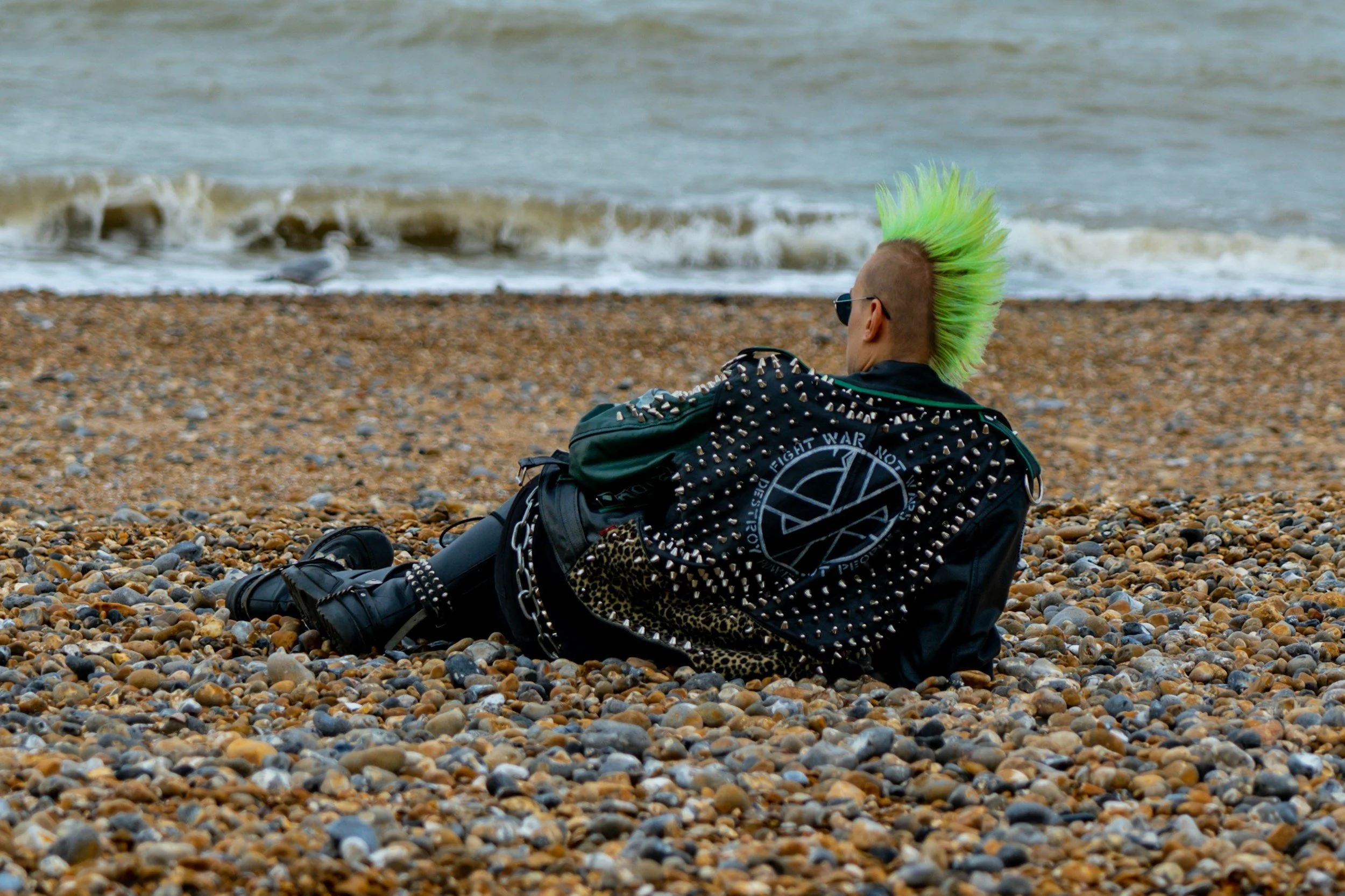
Punk Rock Economics: Beating the System From Inside It
The hero of SLC Punk delivers a line that captures everything most creatives get wrong about money: “We can do a hell of a lot more damage in the system than outside of it.” Refusing to play the economic game isn’t rebellion — it’s surrender, and it hands every lever of power to the people who already hold them. Punk rock economics is about something different: learning the system well enough to beat it, building the ownership that funds your freedom, and rejecting the system’s core lie — that money is the goal and your value is what you accumulate. The power isn’t with the people selling you things. It’s with the person who can say no. Here’s how to flip the script.

What the Los Campesinos! Tour Accounts Actually Prove About the Indie Music Career
A response to the widely-shared Los Campesinos! tour accounts that reframes the financial breakdown as proof — not refutation — of the viability of an indie music career. The article argues that the band’s modest take-home reflects deliberate values-based choices (tour bus over van, family on the road, accessible ticket pricing) rather than structural industry collapse, and lays out what the same eleven-show tour would look like for a U.S. band that avoids visa and international travel costs and runs leaner logistics. The piece closes with the broader Spotlight thesis: every dollar spent by a creative professional is a values decision, and sustainable careers are built by making those tradeoffs consciously rather than by default.
The $300 Million Surrender: What the Chili Peppers’ Catalog Sale Really Tells Us
The Red Hot Chili Peppers just sold their catalog for a reported $300 million — and the financial press is calling it smart. Dan Scott argues it’s something else entirely: a fear-driven surrender, a betrayal of the rebellion that built these careers, and a dangerous lesson for the next generation of artists about whether owning their work is even possible.

You Don’t Own Anything Anymore — And You Paid Extra for the Privilege
We were sold convenience as progress, but the rental economy is quietly extracting wealth from creatives and working households alike. This post unpacks the shift from ownership to access — in housing, cars, music, software — and lays out a practical path back to financial freedom. That path is not the easiest one. But it is the most rewarding.
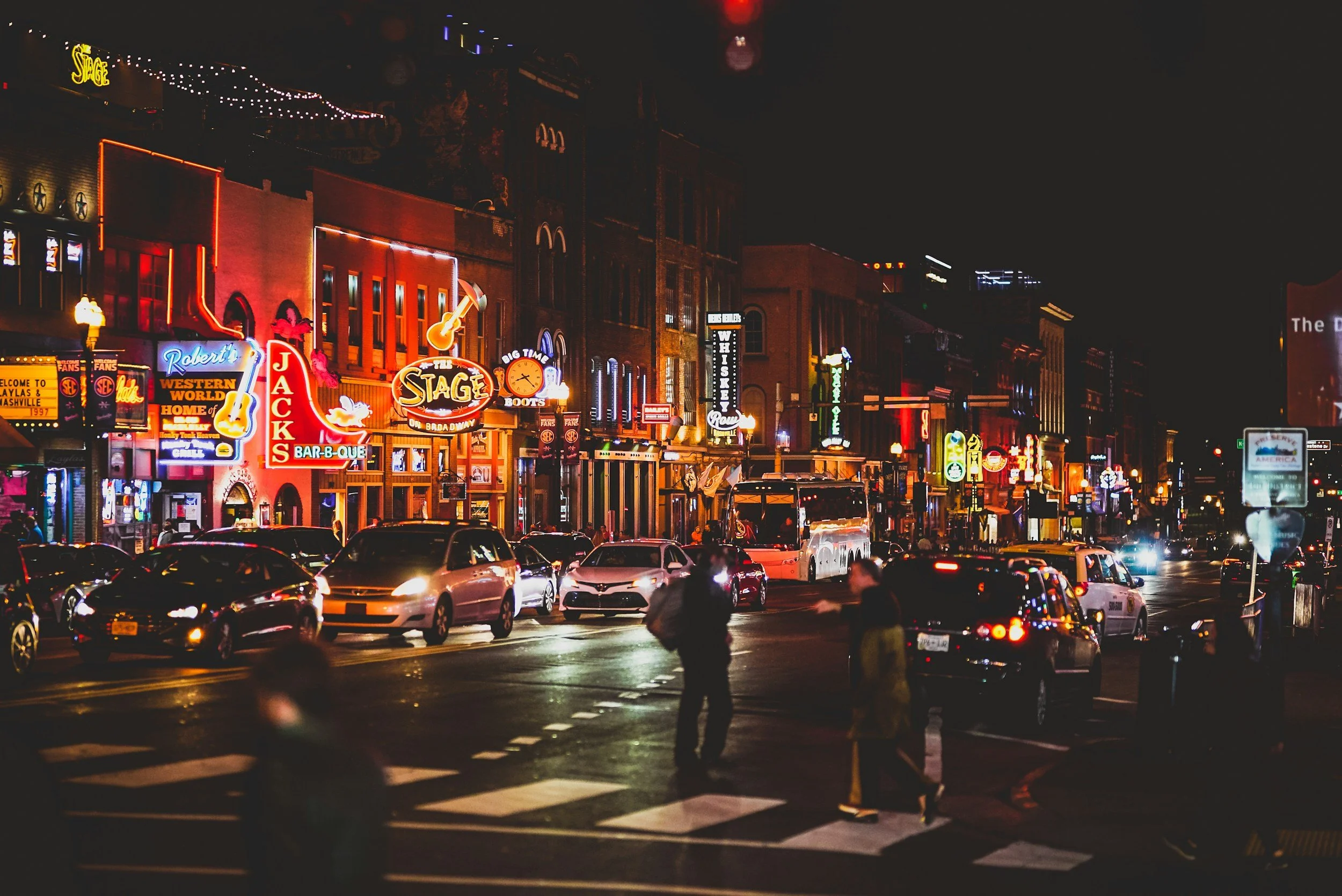
You’re Not Getting a Gig. You’re Giving Free Labor.
All across the country, in major cities like Nashville, Los Angeles and New York, live performers are routinely treated as free entertainment — paid in “exposure,” tip jars, or nothing at all, while the venue cashes in on drinks. The pay-to-play model goes further, charging the artist for the privilege of working. This post lays out the scale of the problem and proposes a direct solution: minimum wage legislation for live performers in major cities.